Choosing a pattern for a large steel casting starts with the component’s dimensions and the proposed production route. Tooling practices for small castings should not be applied directly to heavy industrial components.
For a large replacement part, a one-off order or a repeat purchase, ask whether the tooling suits the geometry, whether this is a trial or production order, whether the drawing is stable, and whether further orders are confirmed.
This guide considers wood patterns, expendable foam patterns and 3D printed patterns for trials. Metal patterns are outside the selection options for the large steel casting work discussed here. Avoiding unnecessary expenditure means preventing repeated tooling work and premature design commitments, rather than relying on generic price tables.
Define the dimensions and production stage first
Send the foundry a drawing or 3D model, overall dimensions, steel grade, quantity and delivery requirements. Identify trial work, one-off production and confirmed repeat requirements separately.
Large tooling requires consideration of size, parting, support, handling and the foundry’s moulding facilities. Internal cavities may also require sand cores and core boxes. Weight alone is insufficient, and a universal length or tonnage limit cannot replace a component-specific assessment.
In conventional sand casting, a casting pattern forms the sand mould cavity, a core box makes a sand core, and the sand mould receives the molten steel. Identify these different items clearly in the enquiry.
Pattern options to discuss for large steel castings
| Option | Application to discuss | What buyers should confirm |
|---|---|---|
| Wood pattern | Large casting moulding, including projects where subsequent reuse matters | Overall size, support, alterations, storage and maintenance |
| Foam pattern | Large steel castings for which the foundry has confirmed a suitable foam-based route | Process suitability, drawing revision and scope included in the finished casting quotation |
| 3D printed pattern | Trials, geometry validation or designs still subject to change | Build size, section assembly, material suitability for moulding and subsequent production arrangements |
These options are not a universal ranking. Dimensions, internal features and the order programme affect suitability. Ask the foundry for an executable proposal based on the actual component.
Wood patterns: consider large structures and reuse
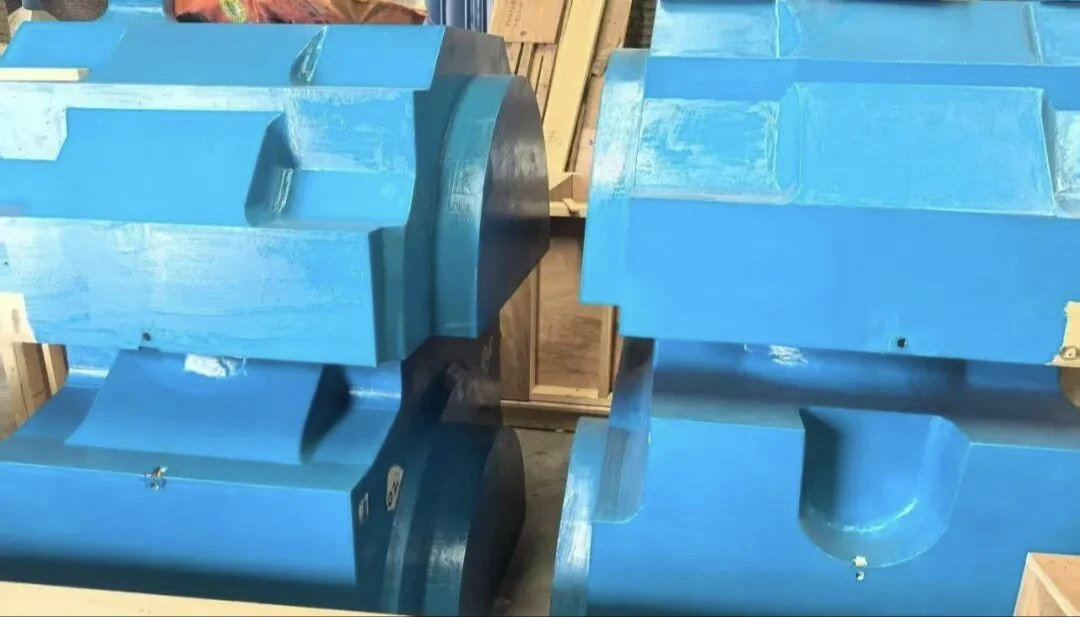
Wood patterns are an option for large steel casting work. Discuss sectioning, support, handling and protection after moulding, rather than selecting on the wood description alone.
For repeat orders, agree identification, storage and checks before reuse. Check existing tooling against the latest drawing after any design change. Reuse should serve actual purchasing needs; an unconfirmed forecast is not a confirmed production programme.
Foam patterns: normally included in the casting quotation
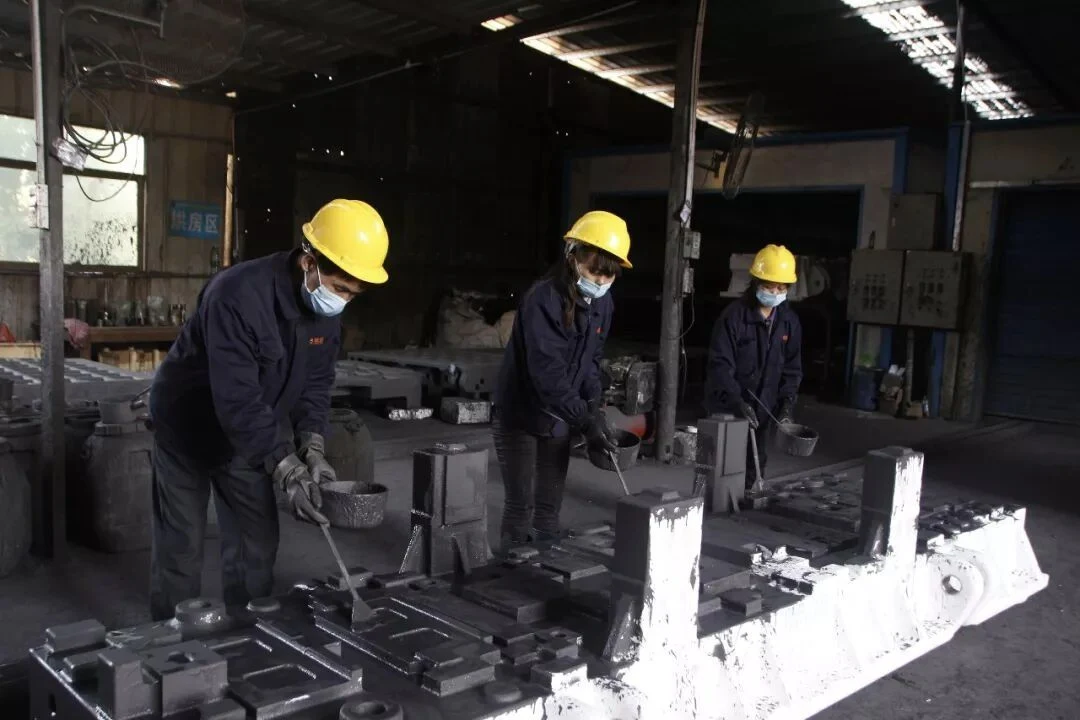
Foam patterns have a relatively low cost. In the large steel casting quotation practice described here for FWD, they are normally included in the final casting quotation rather than quoted as a separate tooling item. Compare complete quotations against the same drawing, material, quantity, machining condition and inspection requirements.
An inclusive quotation does not mean that pattern-making work has disappeared. It means buyers should not add a second foam-pattern charge to a quotation that already includes it.
Foam patterns are expendable in the applicable process. They are not retained for repeated moulding in the same way as a wooden pattern. Provide the correct drawing revision and requirements again for subsequent orders so the foundry can arrange new patterns and production.
Lower pattern cost does not establish suitability for every large steel casting. The foundry must assess the grade, geometry and quality requirements before confirming the route.
3D printed patterns: an option for trials
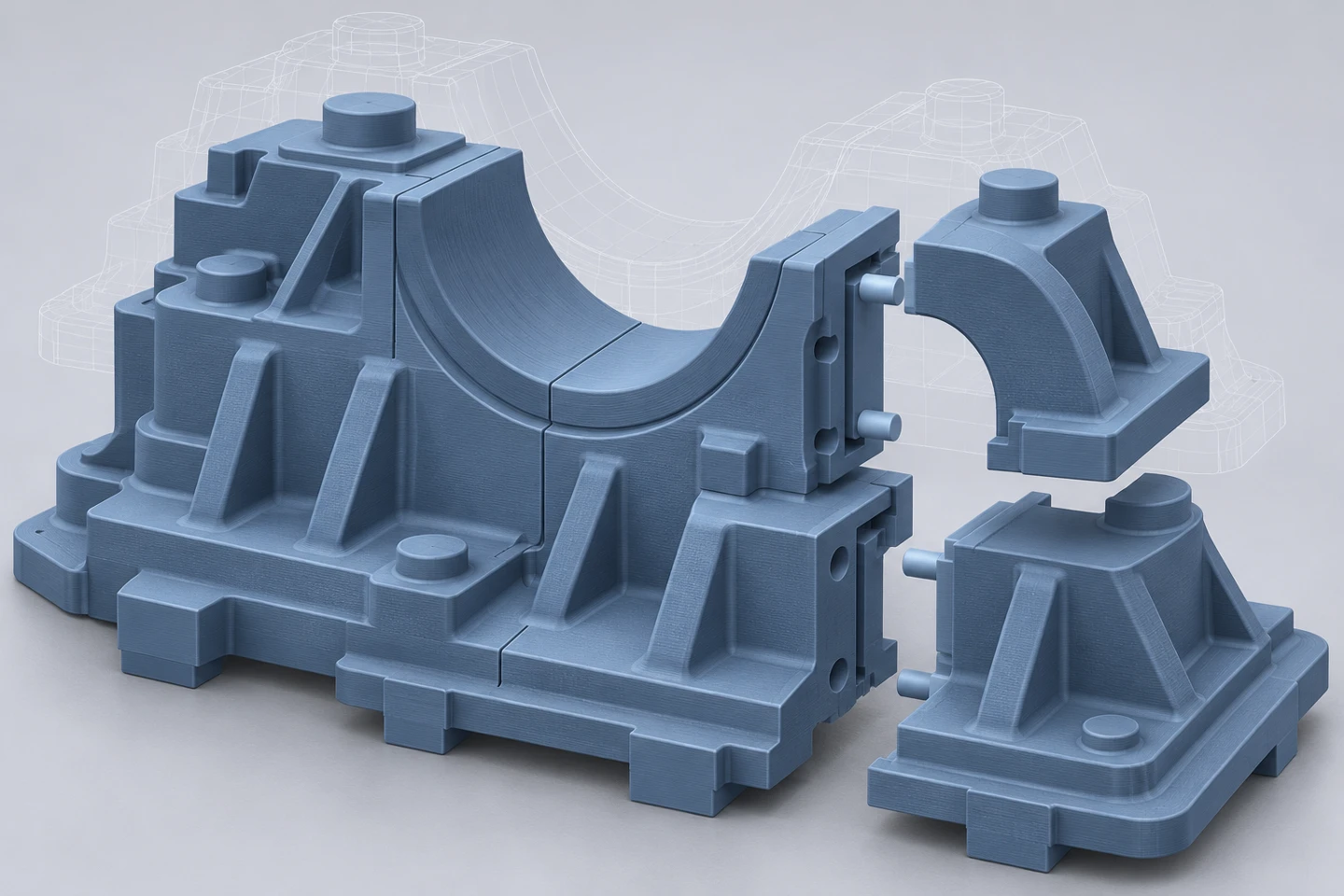
Consider 3D printed patterns for trial work or designs that are not yet settled. Define what the trial must validate before committing to long-term production tooling.
For large components, confirm the printer’s build size, any section assembly, dimensional checks after assembly and the printing material’s suitability for the proposed moulding method. Printing does not remove size constraints or the need for process design and validation.
A printed pattern is different from a directly printed sand mould or core. Identify the actual item in the enquiry. 3D Systems’ sand casting tooling information also describes printed patterns and core equipment.
After trial approval, reassess production tooling against the final drawing and purchasing programme. Suitability for a trial does not automatically establish suitability for every later order.
Select around the actual order
A one-off large replacement part: provide the geometry and delivery condition, then ask the foundry to assess wood or a suitable foam route. Avoid committing to long-term tooling for unconfirmed repeat demand.
A trial with possible drawing changes: define the interfaces, features or dimensions to validate. Discuss printed trial patterns, then decide production arrangements after approval to reduce repeated tooling work.
A stable component with confirmed repeat orders: provide quantities and purchasing intervals. Assess wooden-pattern reuse and agree storage, maintenance and revision control.
A large part with complex internal features: review cores, core boxes, location and assembly as well as the external pattern.
Reduce avoidable tooling work
Large steel castings vary too much in size, geometry and process for a universal tooling price, saving percentage or order-quantity switch point. Before making tooling:
- Confirm the drawing revision. Resolve critical interfaces, machined surfaces and delivery condition before release.
- Separate trials from production. Complete the trial’s validation objective before selecting subsequent production tooling.
- Plan for real demand. Keep confirmed orders separate from possible repeat purchases.
- Define the moulding package. Confirm core boxes, supports, assembly and trial activities, not just the external shape.
- Check quotation inclusions. Foam patterns are normally included in the final casting quotation. Identify the scope of any other separately listed tooling items to avoid double counting.
- Manage reusable tools. Agree ownership, identification, storage, maintenance and the treatment of drawing changes.
Keep material, drawing and inspection requirements intact when comparing supply proposals.
What to include in the enquiry
Provide:
- The drawing or 3D model and revision.
- Overall dimensions, material requirements and critical internal features.
- The current quantity, with possible repeat demand identified separately.
- Trial or production status and the trial’s validation objective.
- As-cast, rough-machined or finish-machined delivery condition and inspection requirements.
- Existing-tool records, condition and availability.
Ask the foundry to explain its recommendation, quotation inclusions and outstanding technical decisions. Use the heavy steel casting RFQ checklist for the wider enquiry, or the process selection guide if casting and forging are still being compared.
Discuss your large steel casting with FWD
Send FWD Steel Casting the drawing, dimensions, material, quantity and delivery requirements. Explain trial needs and potential repeat orders so the tooling proposal fits the actual order.
Discuss your large steel casting requirement →